




Michigan DUI / OWI
Defense Attorney
Science-based OWI defense challenging the evidence, protecting your license, and fighting for outcomes that preserve your career and your freedom.
DUI / OWI Defense
An OWI charge in Michigan is not a minor traffic matter. It is a criminal prosecution with mandatory minimums, license consequences, and lasting collateral damage that can end careers before the case is ever resolved.
Michigan's Operating While Intoxicated (OWI) law is among the most aggressively prosecuted in the Midwest. Prosecutors rely on breath and blood test results as if they were infallible. They are not. Every instrument has a margin of error. Every traffic stop has a constitutional threshold. Every field sobriety test has standardized protocols that officers routinely fail to follow. A science-based OWI defense examines the evidence the way prosecutors hope you won't.
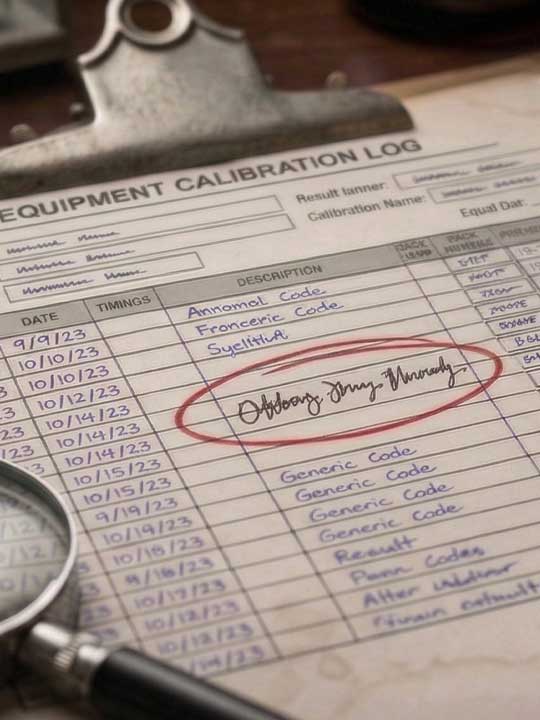
Michigan OWI charges range from first-offense misdemeanors to felony OWI with serious injury or death. Even a first-offense OWI carries license suspension, fines, points, possible jail, mandatory alcohol treatment, and a permanent criminal record that affects professional licensing, security clearances, firearms rights, and employment. Repeat offenses escalate to felony territory with mandatory incarceration and lifetime collateral consequences.
Makowski Legal's OWI defense practice covers every charge tier: standard OWI (BAC .08+), High BAC (.17+), OWI with a minor in the vehicle, OWI causing serious injury, felony OWI (3rd offense), and OWPD (Operating with the Presence of Drugs). The stop, the field investigation, the chemical test, and the prosecution's narrative are challenged from first appearance through trial.
The Science-First Defense
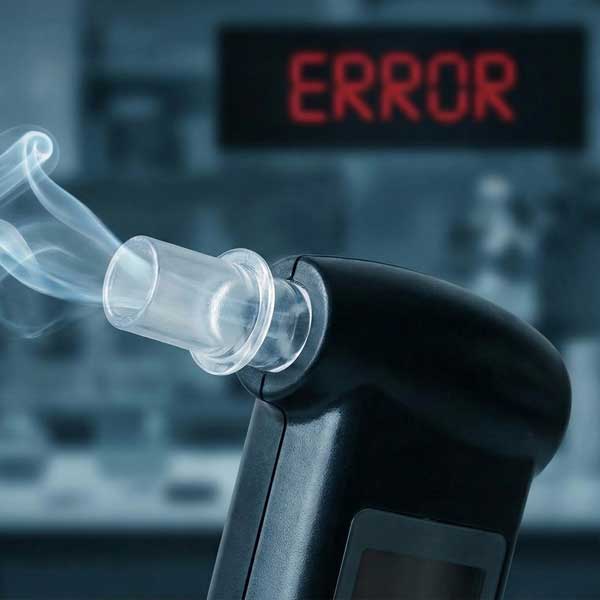
Breathalyzers malfunction. Blood samples degrade. Officers deviate from protocol. Every one of these failures is a defense. You just need an attorney who knows where to look.
Michigan OWI prosecutions rest on chemical test results that juries treat as scientific certainty. They are not. The Intoxilyzer breath testing instrument used by Michigan law enforcement requires precise calibration, operator certification, and strict procedural compliance. The 15-minute observation period before testing, the instrument's maintenance log, the officer's certification records, and the test printout itself all contain exploitable weaknesses that experienced OWI defense attorneys know to demand and analyze.
Breath test challenges: Intoxilyzer calibration records and maintenance logs, operator certification and training records, 15-minute observation compliance, interfering substances (mouth alcohol, GERD, diabetes-related acetone), and the instrument's margin of error against the charged BAC are all reviewed. A result of .09 on an instrument with a recognized variance of ±.005 is a legitimate challenge at any BAC level near the threshold.
Blood test challenges: Blood draws introduce a separate chain of custody, preservation, and analysis chain. The phlebotomist's certification, the blood kit's expiration and handling, the laboratory's accreditation, the analyst's methodology, and whether the sample was properly preserved to prevent fermentation are all examined. An improperly preserved blood sample can show a falsely elevated BAC, a fact prosecutors rarely volunteer.
Case Result: OWI Causing Death → Reckless Driving
A client was charged with Operating While Intoxicated Causing Death after a fatal accident. Despite the client having had only one drink, the post-crash blood draw showed a significantly elevated BAC. An independent expert was retained to analyze the toxicology. The expert established that the kidney injury the client sustained in the crash itself caused the blood to show a falsely high alcohol reading — a well-documented physiological effect that the prosecution's lab never accounted for. With that evidence in hand, the charge was pleaded down to Reckless Driving. The science, not the number on the test, told the real story.
Field sobriety test challenges: The Horizontal Gaze Nystagmus, Walk-and-Turn, and One-Leg-Stand tests are only valid when administered under NHTSA-standardized conditions by a trained officer. Uneven surfaces, improper instructions, lighting conditions, footwear, age, weight, and pre-existing medical conditions all affect performance, and officer deviation from the validated protocol renders the entire test inadmissible as evidence of intoxication.
Professional Impact,
What an OWI Conviction Really Costs
For professionals, the criminal conviction is often not the most destructive consequence of an OWI. The license revocation, employment termination, and security clearance loss can be far worse.
Michigan OWI law creates a web of mandatory administrative and professional consequences that operate independently of the criminal sentence. A guilty OWI plea, even one that avoids jail time, can simultaneously trigger CDL disqualification, professional license suspension, mandatory employer reporting, and firearms rights restrictions under federal law. Understanding these collateral consequences before entering any plea is essential.
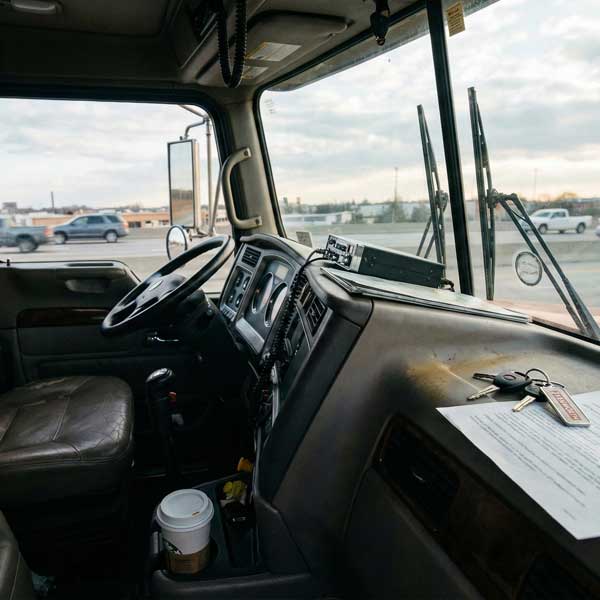
CDL and commercial driver consequences: A CDL holder convicted of OWI, even in a personal vehicle, faces a mandatory 1-year federal disqualification for a first offense and lifetime disqualification for a second offense. There is no restricted license, no limited driving privileges, and no administrative appeal. The only defense is preventing the conviction. Makowski Legal handles CDL OWI cases with this fact as the baseline: a plea deal that saves the license is worth fighting for; a conviction that ends a career is not acceptable without exhausting every challenge.
Healthcare and licensed professionals: Nurses, physicians, pharmacists, and other licensed healthcare professionals face mandatory self-reporting obligations and LARA investigation on any OWI conviction. Makowski Legal coordinates OWI defense with professional licensing strategy from the first consultation, pursuing outcomes that satisfy licensing board requirements without creating a permanent disqualifying record.
Security clearances and federal employment: OWI convictions must be disclosed on federal security clearance applications (SF-86) and can result in clearance denial or revocation under alcohol-related adjudicative guidelines. For federal employees, contractors, and military personnel, the clearance implications of every disposition option are assessed alongside the criminal defense strategy, pursuing the outcome most likely to preserve both the clearance and the career.
Michigan OWI Charges, What You're Actually Facing
Not all OWI charges are the same, and the charge tier determines the consequences
OWI Charge Tiers
Standard OWI, First Offense (BAC .08–.16)
Misdemeanor. Up to 93 days in jail, $100–$500 fine, 6-month license suspension with possible restricted license after 30 days, 6 points on driving record. Permanent criminal record. Eligible for set-aside under Clean Slate Act after waiting period.
High BAC OWI, First Offense (BAC .17+)
Misdemeanor. Up to 180 days in jail, $200–$700 fine, 1-year license suspension, mandatory ignition interlock device upon reinstatement, 6 points. Sobriety court eligibility available in some jurisdictions. CDL holders face the same consequences as standard OWI for federal disqualification purposes.
OWI Second Offense
Misdemeanor. Up to 1 year in jail (mandatory 5-day minimum or 30-day community service), $200–$1,000 fine, 1-year license revocation with no driving privileges for a minimum period, vehicle immobilization, ignition interlock upon reinstatement. Felony charges possible depending on prior conviction timing.
Felony OWI, Third Offense
Felony. Up to 5 years in prison, $500–$5,000 fine, lifetime license revocation (DAAD restoration hearing required for any reinstatement), vehicle forfeiture possible, permanent loss of firearms rights under federal law. Immigration consequences for non-citizens. DAAD restoration hearing available after mandatory revocation period.
OWI Causing Serious Injury or Death
Felony. OWI causing serious injury: up to 5 years in prison. OWI causing death: up to 15 years in prison. Both carry mandatory license revocation, restitution, and permanent collateral consequences. These charges are prosecuted aggressively and require immediate, experienced defense counsel.
OWPD, Operating with the Presence of Drugs
Misdemeanor for first offense. Michigan's zero-tolerance drug OWI statute makes it illegal to operate a vehicle with any amount of a controlled substance in the body, regardless of impairment. Marijuana (THC) is included. The defense strategy differs significantly from alcohol OWI and requires familiarity with drug recognition protocols and toxicology evidence.
Frequently Asked Questions
What Michigan OWI defendants need to know
OWI Defense FAQ
License consequences depend on the charge tier. A first-offense standard OWI carries a 6-month suspension with the possibility of a restricted license after 30 days. High BAC (.17+) carries a 1-year suspension with ignition interlock upon reinstatement. A second offense triggers a 1-year revocation. A third offense triggers lifetime revocation, requiring a DAAD restoration hearing before any license can be reinstated. CDL holders face a mandatory 1-year federal disqualification for a first conviction regardless of BAC, even in a personal vehicle, with lifetime disqualification for a second conviction. Preventing the conviction is the only defense against CDL disqualification.
You may refuse a portable breath test (PBT) roadside without automatic license penalty. Refusing a post-arrest Intoxilyzer breath test or blood draw is different: Michigan's implied consent law makes refusal grounds for an automatic 1-year license suspension independent of the criminal case. Refusal also has tactical implications: without chemical test evidence, the prosecution may be limited to field sobriety observations. Whether refusal is beneficial depends on the specific circumstances. Contact a defense attorney before that decision is made if at all possible. Once a refusal occurs, an implied consent hearing at the Secretary of State must be requested within 14 days to preserve any challenge to the suspension.
Yes, both outcomes are achievable in the right case. Dismissal requires identifying a constitutional or evidentiary basis to suppress the prosecution's key evidence. If the traffic stop lacked reasonable suspicion, the Intoxilyzer results fail certification requirements, or the blood sample chain of custody is compromised, suppression motions can eliminate the prosecution's case. Charge reduction from OWI to Operating While Visibly Impaired (OWVI) is a common outcome in cases where the chemical test is challenged but not fully suppressed. OWVI carries lesser license penalties, no mandatory ignition interlock, and reduced collateral consequences. Every case is evaluated for the best achievable outcome based on the actual evidence, not the prosecutor's initial offer.
OWI (Operating While Intoxicated) requires proof that alcohol or drugs rendered the driver substantially unable to operate safely, or a BAC of .08 or above. OWVI (Operating While Visibly Impaired) requires proof that the driver's ability to operate was visibly impaired, a lower standard that carries lesser penalties. High BAC OWI requires a BAC of .17 or above and carries enhanced penalties including a longer suspension and mandatory ignition interlock. The distinction matters: an OWI conviction triggers mandatory license actions that an OWVI conviction does not, and High BAC triggers additional consequences beyond standard OWI. Negotiating from OWI to OWVI, where the evidence supports it, can preserve driving privileges and reduce collateral consequences significantly.
A first-offense OWI or OWVI is eligible for set-aside under Michigan's Clean Slate Act after a waiting period, provided there are no intervening convictions. OWI second offense and felony OWI are not eligible for expungement. OWI causing death or serious injury is permanently ineligible. A set-aside removes the conviction from public records visible to employers, landlords, and licensing boards, but the record remains accessible to law enforcement and in some licensing contexts. CDL disqualification is not reversed by a set-aside. The best expungement strategy remains preventing the conviction in the first place.